Do They Speak English in Limón?
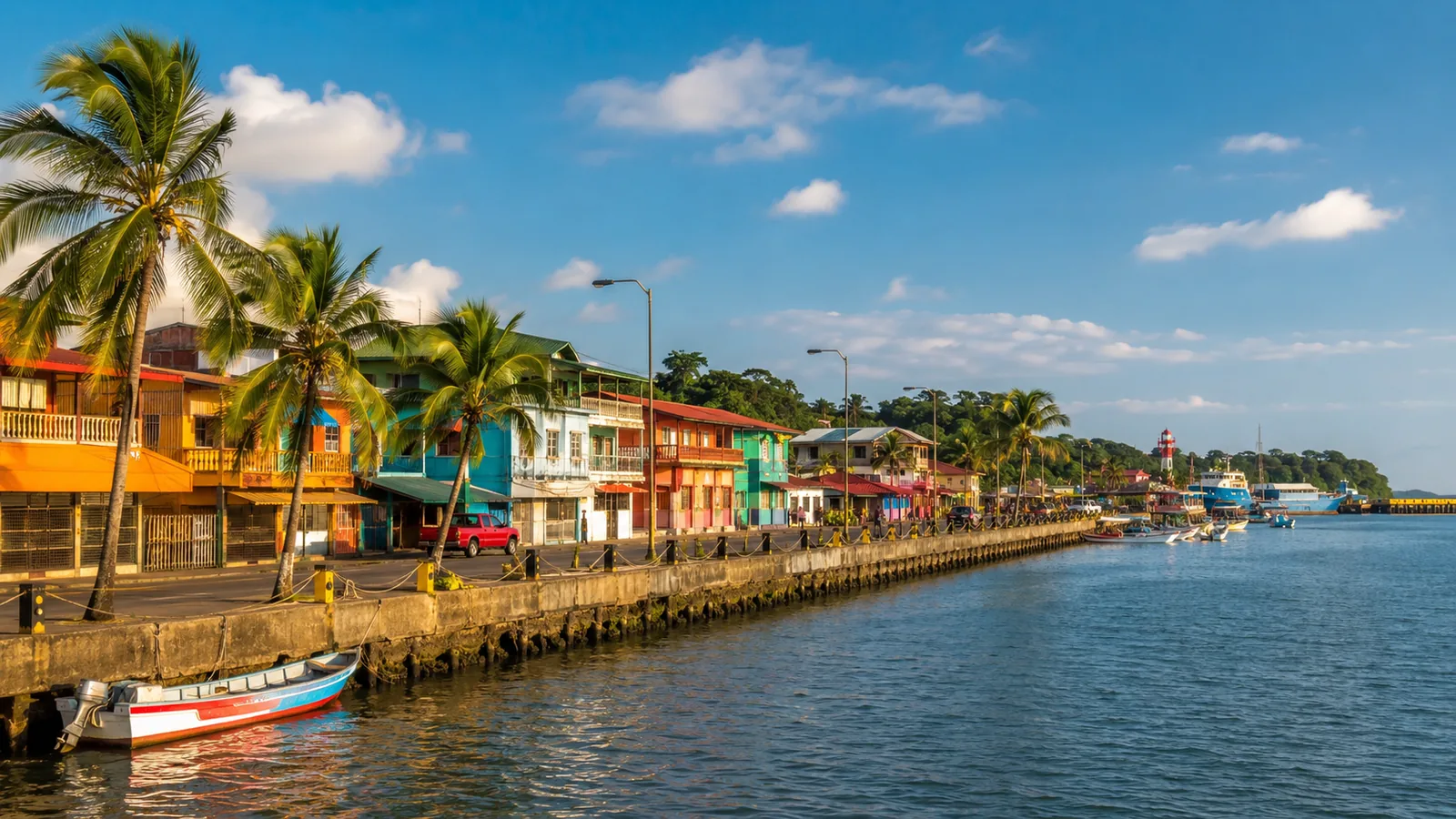
Two languages, one place
Limón Province has a unique history. Jamaican immigrants came to build the railway and work the banana trade; many brought English and Creole. Older residents, especially those born before the 1950s, grew up bilingual in Limón Creole English (locally "Mekatelyu") and Spanish. Spanish became universal after 1949. In modern Limón, you’ll hear Spanish everywhere and English on tours and in port-area shops.
On a guided tour: English and Spanish
Tour guides are trained and speak English. You’ll communicate with your guide, read the details of the tour, and understand what you’re seeing. This is the lowest-friction way to spend a day in Limón.
Downtown and the waterfront
In the cruise terminal area, shops, and tourism-facing spots, English is widely understood. Most people working in those areas speak English. You can ask for directions, order food, and get help in English and be understood fine.
Off the tourist track
If you wander into a small café or chat with an older local, Spanish helps. But even then, many will understand basic English. A phrase book or translation app will solve most problems. Effort matters — saying "buen día" before asking a question changes the entire interaction.
Limón Creole English: what it sounds like
If you’re curious, you’ll hear Limón Creole spoken by older residents, especially away from the downtown tourist corridor. It’s an English-based creole with its own grammar and vocabulary, rooted in the Caribbean diaspora. It’s not something you’ll need to speak; most younger residents use Spanish or English instead.
A few phrases that matter
- Buen día — good morning (or afternoon: buenas tardes). Use this before any interaction.
- Pura vida — literally "pure life," but it means hello, goodbye, thanks, you’re welcome, how are you, all of it. Used constantly.
- Gracias — thank you.
- Por favor — please.
Frequently asked questions
Do I need to speak Spanish to visit Limón?
No. On a guided tour, your guide speaks English. Downtown and the waterfront area have English speakers. Spanish helps, but you can get by with English, a phrase book, and a translation app. Saying buen día before any interaction goes a long way.
Will a tour guide speak English?
Yes. Tour guides are trained and speak English. You’ll understand everything and communicate easily. This is why a guided tour is the best first experience in Limón.
What is Limón Creole English?
An English-based creole rooted in Jamaican immigration. Older residents, especially those born before the 1950s, grew up bilingual in Creole and Spanish. You’ll hear it spoken by locals, but you won’t need to speak it. Most younger residents use Spanish or English.